
Buying a home is one of the biggest investments many people will ever make, so discovering a major issue after the closing, especially one the seller should have disclosed, can be frustrating and costly. In Florida, sellers are legally required to disclose known material defects that are not easily visible. If they don’t, buyers may have legal options.
Here’s what you need to know if you suspect the seller failed to disclose a major property defect in your Florida real estate purchase.
Florida’s Disclosure Law at a Glance
Florida law requires sellers to disclose any known defects that materially affect the value of the property and are not readily observable to the buyer. This was established in the landmark Florida Supreme Court case Johnson v. Davis, and it remains the standard today.
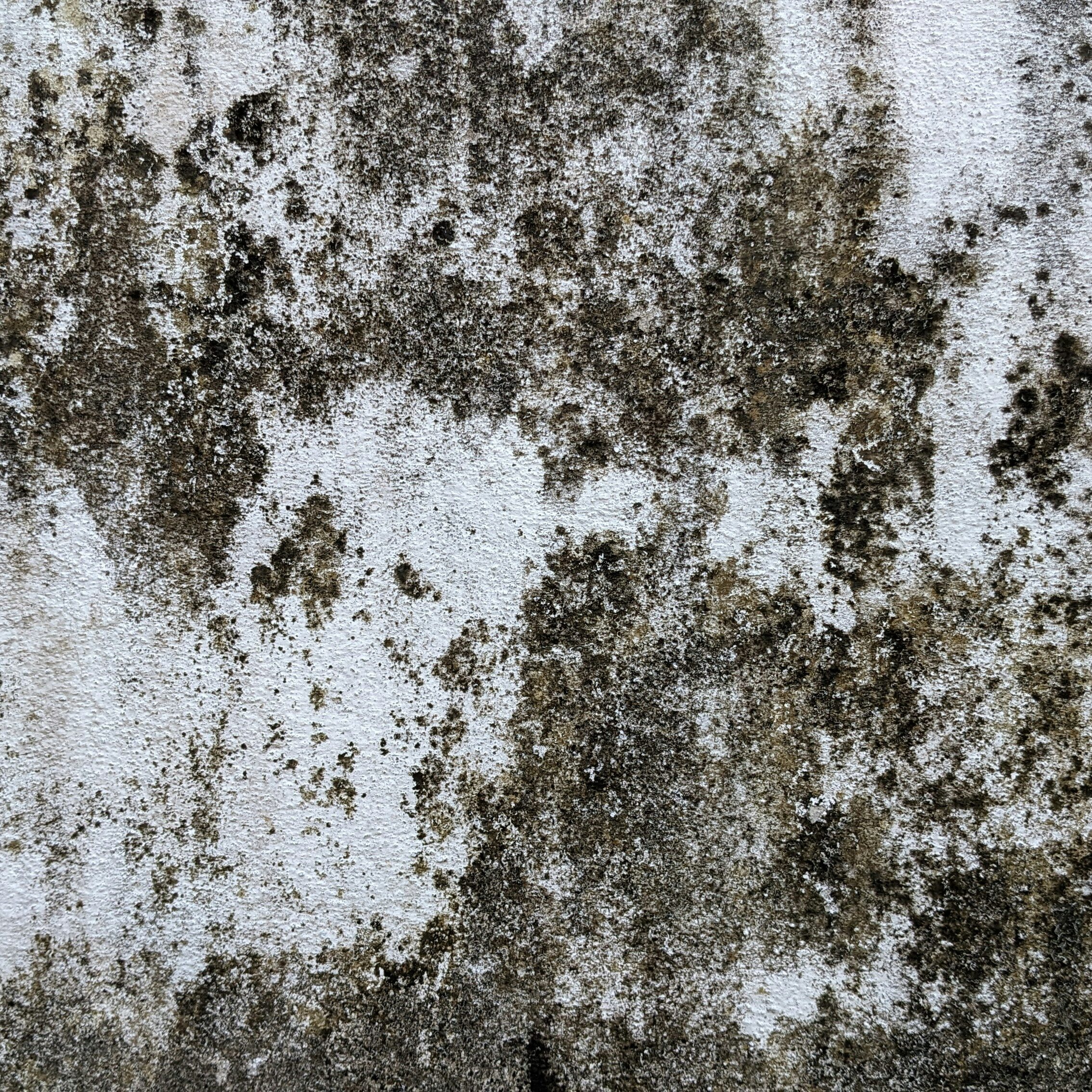
This includes issues like roof leaks or structural damage, termite infestations, mold or water damage, faulty plumbing or electrical systems and environmental hazards (e.g., asbestos or radon).
Signs the Seller May Have Failed to Disclose
While optimism has its place, when buying a home, you need to be on high alert for red flags. Here are some signs that a seller may have failed to disclose an issue:
- A problem emerges soon after closing that a seller would likely have known about.
- You discover repairs or cover-ups that were not mentioned.
- A contractor tells you a defect has been ongoing.
- Neighbors mention prior issues with the home.
In these situations, it’s important to act quickly (that means, call us) and gather evidence.
Steps to Take If You Suspect Non-Disclosure
- Document everything – Take photos, videos and notes about the defect and when it was discovered. If possible, get written opinions from contractors or inspectors.
- Review the seller disclosure and contract – Go back through the documents you received before closing. If the seller signed a disclosure form or made verbal representations, compare those to what you’re now experiencing.
- Talk to your real estate agent – Your agent may have knowledge about what the seller disclosed or what was discussed during negotiations. They can also help guide your next steps or refer you to legal counsel.
Possible Legal Remedies
If you decide to pursue legal action, you may be entitled to compensatory damages, rescission of the sale and/or attorney’s fees.
Keep in mind, you must prove the seller knew about the defect and failed to disclose it, so gathering solid evidence is key. Additionally, Florida has a statute of limitations on these types of claims. For most real estate fraud or misrepresentation claims, you typically have four years from the time the issue was discovered or should have reasonably been discovered to file a lawsuit.
Contact Us at the Law Offices of Alex D. Sirulnik, P.A.
At the Law Offices of Alex D. Sirulnik, P.A., we help Florida buyers navigate complex real estate disputes, including seller non-disclosure cases. If you believe a seller failed to disclose a major defect, don’t wait. Let our legal team help protect your rights and explore your options for recovery. Contact us today to schedule a consultation and discuss your next steps.